
STUDY SKILLS TRAINING FOR STUDENTS
- RAENA LEARNING

- Dec 6, 2023
- 1 min read
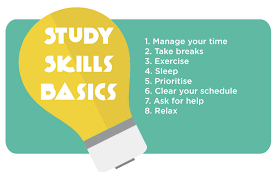
Training students in study skills is essential for their academic success.
Here are some key aspects to focus on:
Time Management: Teach students how to organize their time efficiently. This includes creating study schedules, setting goals, and prioritizing tasks.
Note-Taking Skills: Effective note-taking helps in understanding and retaining information. Teach different methods like the Cornell system, mind mapping, or bullet journaling.
Reading Strategies: Guide them in active reading techniques such as skimming, scanning, summarizing, and questioning the text.
Memory Techniques: Introduce various memory aids like mnemonic devices, flashcards, or the method of loci.
Test-Taking Strategies: Offer tips on how to approach different types of tests, manage test anxiety, and use process of elimination in multiple-choice questions.
Research Skills: Teach them how to find, evaluate, and use information effectively. This includes internet research, using libraries, and understanding academic sources.

Critical Thinking: Encourage them to analyze, evaluate, and synthesize information rather than just memorizing it.
Self-Assessment: Help students learn to assess their understanding and identify areas where they need more focus.
Seeking Help: Encourage them to seek help when needed, be it from teachers, peers, or tutors.
Wellness and Balance: Emphasize the importance of a balanced lifestyle, including proper sleep, nutrition, exercise, and relaxation techniques.
Incorporating these skills into teaching practices can help students become more effective and independent learners.


Comments