
HOW TO HELP YOUR CHILD WITH PHONICS
- RAENA LEARNING

- Dec 6, 2023
- 1 min read


Helping your child with phonics is a great way to support their reading and language skills.
Here are some effective strategies:
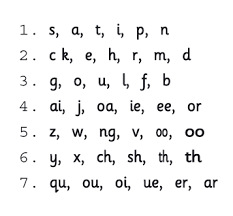
Start with the Basics: Begin with simple sounds and gradually move to more complex ones. Use alphabet books or flashcards to make this engaging.
Read Together: Choose books that are appropriate for their age and phonics level. Point out words and sounds as you read.
Phonics Games: There are many educational games available online or in stores that make learning phonics fun. Games like matching sounds to pictures or word bingo can be very effective.
Use Phonics Apps: There are several apps designed to help children learn phonics. These can be especially useful for interactive learning.
Encourage Writing: Ask your child to write simple words or sentences. This helps them understand the connection between sounds and spelling.
Sing Phonics Songs: Songs that emphasize different sounds and their corresponding letters can be both entertaining and educational.
Be Patient and Positive: Learning phonics can be challenging, so it’s important to be patient and encourage your child. Celebrate their progress, no matter how small.
Talk to Their Teacher: If your child is already in school, talking to their teacher can provide insights into their progress and additional strategies tailored to their needs.
Remember, every child learns at their own pace, so what works for one child might not work for another. It's important to be flexible and adapt to your child's learning style.


Comments